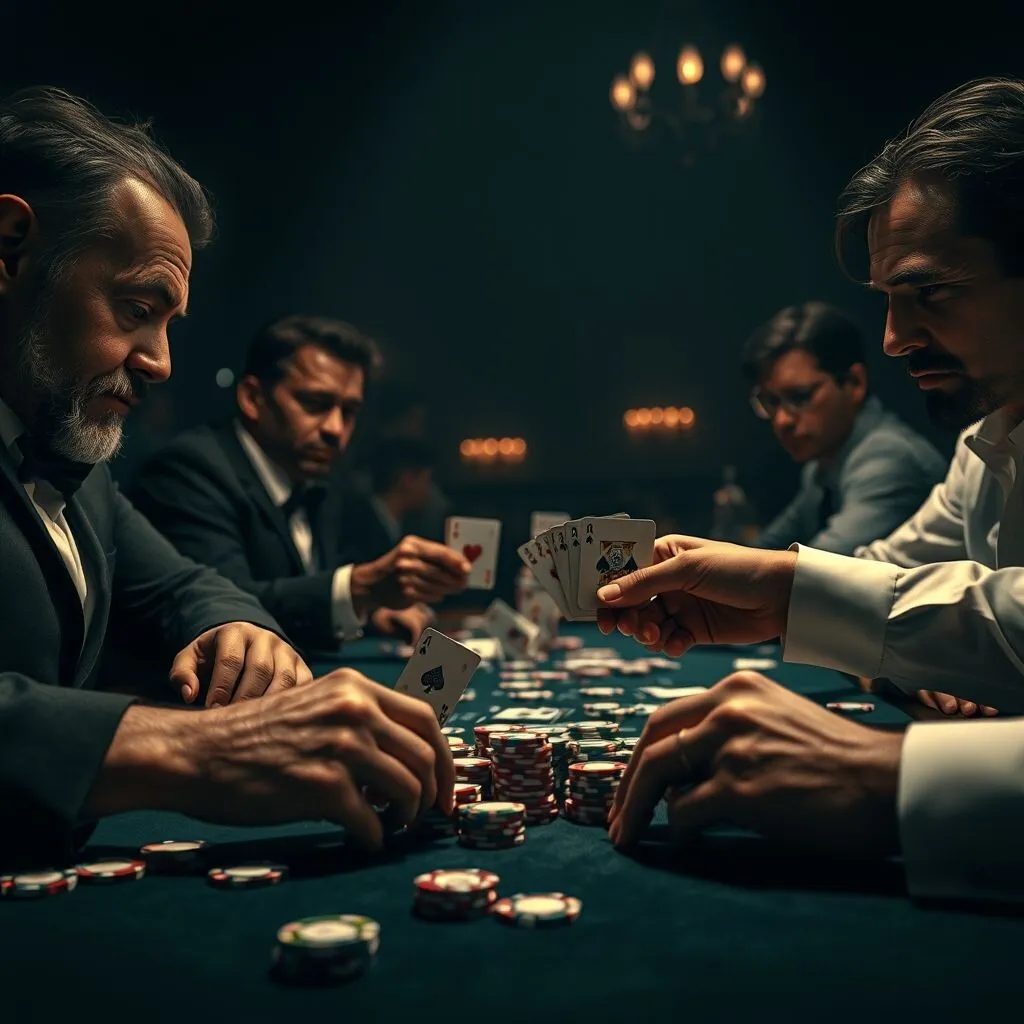
Poker Styles: Adapt Your Strategy to Dominate the Table
Introduction
Ever been at the poker table, felt like you were playing perfectly, only to watch your chips dwindle away? Maybe you’ve stuck to a tight-aggressive style, always playing the odds, only to get bluffed out of a massive pot by someone seemingly reckless. We’ve all been there. The question that inevitably arises: What is the ‘best’ poker style?
The truth is, there’s no magic bullet, no one-size-fits-all answer. Dominating at the poker table isn’t about rigidly adhering to a single approach. The optimal poker strategy is far more nuanced than that. It hinges on understanding a multitude of factors: your opponents, the game type, the stakes, and even your own psychological state.
In this article, forget the rigid classifications. We are diving deep into the core elements of various poker styles, equipping you with the knowledge to dissect your own game, adapt to any situation, and ultimately, elevate your performance. Prepare to move beyond fixed strategies and discover the power of adaptable poker.
Understanding Poker Styles
In the thrilling world of poker, players adopt distinct styles that shape their gameplay and influence their success. Recognizing these styles is crucial for anyone looking to improve their game, whether you’re a seasoned pro or a curious beginner. There are four major poker styles: tight-aggressive (TAG), loose-aggressive (LAG), tight-passive, and loose-passive. Each approach carries its own set of tendencies, advantages, and drawbacks. Mastering the art of identifying and adapting to these styles can significantly up your edge at the table.
Tight-Aggressive (TAG)
The tight-aggressive, or TAG, style is characterized by selective hand selection and aggressive betting. TAG players enter the pot with strong starting hands and play them assertively. Preflop, a TAG player will only play premium hands, such as high pairs, Ace-King, and Ace-Queen. Postflop, they will bet and raise when they have a strong hand or a good draw, putting pressure on their opponents. TAG players typically avoid unnecessary risks and wait for favorable situations to strike.
Loose-Aggressive (LAG)
The loose-aggressive, commonly called LAG, style involves playing a wider range of hands and maintaining high aggression. LAG players are not afraid to bluff and often use their aggressive image to control the pot. While TAG players stick to premium hands, LAG players will enter the pot with a wider range of hands. Postflop, they will frequently bet and raise, forcing opponents to make tough decisions. LAG players thrive on putting pressure on their opponents and exploiting their weaknesses.
Tight-Passive
The tight-passive style is marked by playing only strong starting hands but exhibiting a passive approach. These players wait for big hands and are hesitant to bet or raise without a very strong holding. Preflop, tight-passive players only enter the pot with premium hands. Postflop, they will often check or call, rarely taking the initiative. This style can be predictable and easily exploited by more aggressive players.
Loose-Passive
The loose-passive style, sometimes referred to as a “calling station,” is characterized by playing a wide range of hands and passively calling bets. Loose-passive players tend to see a lot of flops but rarely bet or raise. Preflop, they enter the pot with a wide range of starting hands. Postflop, they often call bets, hoping to hit a lucky card. This style is generally considered weak and can lead to significant losses.

Factors Affecting Poker Style Selection
Selecting the right poker style isn’t just about picking a strategy; it’s about understanding the intricate dance between the game, the players, and yourself. Mastering this balance is crucial for consistent success at the table. Several key factors influence the optimal poker style, and a keen awareness of these elements can significantly improve your decision-making process. These factors include the specific game type you’re playing, the stakes involved, the composition of the player pool, and, perhaps most importantly, your own personal tendencies.
Different levels of stakes can dramatically alter the landscape of the game. For instance, micro-stakes games often attract a looser, more unpredictable style of play, requiring a patient and exploitative approach. In contrast, higher stakes tend to feature more seasoned opponents who are less prone to reckless behavior, demanding a more calculated and balanced strategy. Some players find themselves naturally drawn to certain styles over others. A naturally aggressive player may thrive in a loose-aggressive (LAG) style, constantly applying pressure and controlling the action. Conversely, a more cautious and analytical player might find better success with a tight-aggressive (TAG) approach, patiently waiting for premium hands and exploiting opponents’ mistakes. Recognizing your strengths and weaknesses is key to aligning your style with your inherent tendencies.
Game Type Impacts
The game type itself dictates the fundamentals of your poker strategy. Hold’em, with its community cards and relatively straightforward rules, lends itself to a wide range of styles, from ultra-tight to hyper-aggressive. Omaha, on the other hand, with its four starting cards and emphasis on nut hands, favors a more aggressive and draw-heavy approach. Stud poker variants, where players have more visible information, demand a keen understanding of hand reading and opponent tendencies. Adapting your style to the specific nuances of each game type is paramount. For example, a tight-aggressive strategy may be highly effective in Hold’em, but too passive in Omaha, where you need to be more proactive in building pots with strong draws.
Personal Tendencies
Poker isn’t just a game of logic and mathematics; it’s also a psychological battleground. Your personal tendencies, intuition, and gut feelings can play a significant role in your decision-making process. Some players possess a natural instinct for reading opponents, while others excel at mathematical calculations and game theory. It is also important to acknowledge how one thinks about the game of poker and how this influences play. For example, a calm and collected player is less likely to tilt and make rash decisions, while a more impulsive player may need to actively manage their emotions. Understanding your own poker psychology is crucial for maximizing your strengths and mitigating your weaknesses. By embracing your personal style, while remaining adaptable to different situations, you can develop a poker strategy which is both effective and comfortable.
Reading Opponents: Identifying Their Styles
In poker, success isn’t solely about the cards you hold; it’s about understanding the players across the felt from you. The ability to quickly and accurately categorize your opponents based on their betting patterns, hand selection, and even their table talk is a crucial skill. This “opponent profiling,” a key aspect of poker psychology. With it, you will allow you to make more informed decisions and exploit their weaknesses. Learning to read your opponents is an important skill to master if you want to become a professional poker player.
Identifying Tight Players
Tight players are characterized by their selective hand range and infrequent betting. They often play only premium hands like high pairs (AA, KK, QQ, JJ), Ace-King, and Ace-Queen. To identify them, observe how often they enter pots and the strength of their pre-flop raises. When a tight player finally enters a pot, proceed with caution; they likely have a strong hand. When dealing with such a player, you might want to consider trying to steal blinds when they show weakness or c-betting aggressively when they miss the flop, because they are more likely to fold marginal hands.
Identifying Loose Players
Loose players, in contrast, play a wider range of hands and are more active in the game. They often enter pots with weaker starting hands and are more prone to bluffing. Identifying loose players involves observing the frequency with which they play hands and their willingness to bet and raise aggressively. These players don’t care for only playing premium hands and will go hard even without a very good hand. To play against loose players, tighten up your game and wait for strong hands. Let them do the betting, and then extract maximum value when you have them beat.

Adapting Your Style To Different Game Types
To thrive in poker, one must be a chameleon, seamlessly adapting to the nuances of each game type. What works in a नो-limit Texas Hold’em cash game could be disastrous in a Seven Card Stud tournament, or even a high-stakes Razz. A flexible approach, adjusting betting frequencies and aggression levels is something mandatory, transforming a poker player from a simple player to a shark, exploiting opponents locked into a single style.
Texas Hold’em Adjustments
In Texas Hold’em, aggression is your ally, but it needs to be calculated. Understanding starting hand values relative to position is the base. Being hyper-aggressive from early position will only lead to bleeding chips unless those hands are premium hands. One must control pots, and adjust betting frequencies based on board texture. If the board is very favorable, raising even with a draw may be a good decision to push out other possible draws, on the other hand, if the board has a lot of possible plays you should proceed with caution.
Omaha Adjustments
Omaha demands a shift in mindset. Nutted hands reign supreme; pot equity becomes the holy grail. Chasing draws with inferior pot equity is a recipe for disaster. Position is even more critical than in Hold’em, with multi-way pots being the norm. Consider betting only when one has the stone-cold nuts or a very high draw. Since most of the pot will continue, one must be sure that will have a better hand in the river play; also consider that Omaha is a game of patience.
Blends and Hybrids: The Evolution of Poker Styles
The best poker players aren’t easily categorized. They’re chameleons, constantly evolving and adapting their style to exploit specific situations and opponents. This leads to the emergence of hybrid styles – a blend of different approaches designed for maximum effectiveness. Think of it as leveling up your poker game, moving beyond the textbook definitions and embracing a more nuanced strategy.
For instance, I’ve found success mixing tight-aggressive pre-flop play with a looser, more deceptive style post-flop against overly aggressive opponents. They expect constant aggression and are often unprepared to face unexpected passivity. This involves a mental recalibration, setting aside pre-conceived notions and focusing on exploiting immediate weaknesses.
The key takeaway is this: Don’t limit yourself to the four basic poker style categories. The real edge comes from understanding when and how to blend them effectively, creating your own unique and unpredictable style.
Switching to Passive
Sometimes, the most aggressive move is to suddenly become passive. Imagine you’ve established a reputation as a relentless raiser. Now, against a hyper-aggressive opponent who loves to three-bet, try flat-calling with a strong hand. This can bait them into over-bluffing later in the hand or allow you to extract maximum value when you finally do show your strength.
Folding and check-calling, are your friends here. This style shift requires patience and discipline, but it can be incredibly effective against players who thrive on aggression alone.
Switching To Agressive
Conversely, against tight, passive opponents, injecting aggression can be highly profitable. These players are often risk-averse and hesitant to play big pots without a premium hand. By raising aggressively, leading into them on favorable board textures, or even employing well-timed bluffs, you can often bully them out of pots they might have otherwise won.
The element of surprise is crucial. When they expect you to fold or check, a sudden raise can disrupt their game plan and force them into uncomfortable decisions. This tactic works best when you’ve established a relatively passive image beforehand, lulling them into a false sense of security.
Conclusion
In conclusion, the “best” poker style isn’t a fixed formula but a dynamic strategy honed through experience and observation. Poker adaptability is paramount; what works against one opponent may crumble against another. Strategic poker involves understanding not only your own tendencies but also deciphering those of your rivals.
Cultivating a winning poker mindset means embracing continuous learning. Experiment with aggressive bluffs, calculated traps, and everything in between. Analyze the outcomes, identify patterns, and refine your approach. Each game is a lesson, and each opponent a new puzzle to solve.
The true expert poker advice lies in recognizing that mastery is a journey, not a destination. Embrace the challenge, stay curious, and never stop evolving your game. Put your skills to the test, analyze results, and continue to learn. Your strategic prowess is your greatest asset.